Featured Post
May 3, 2026
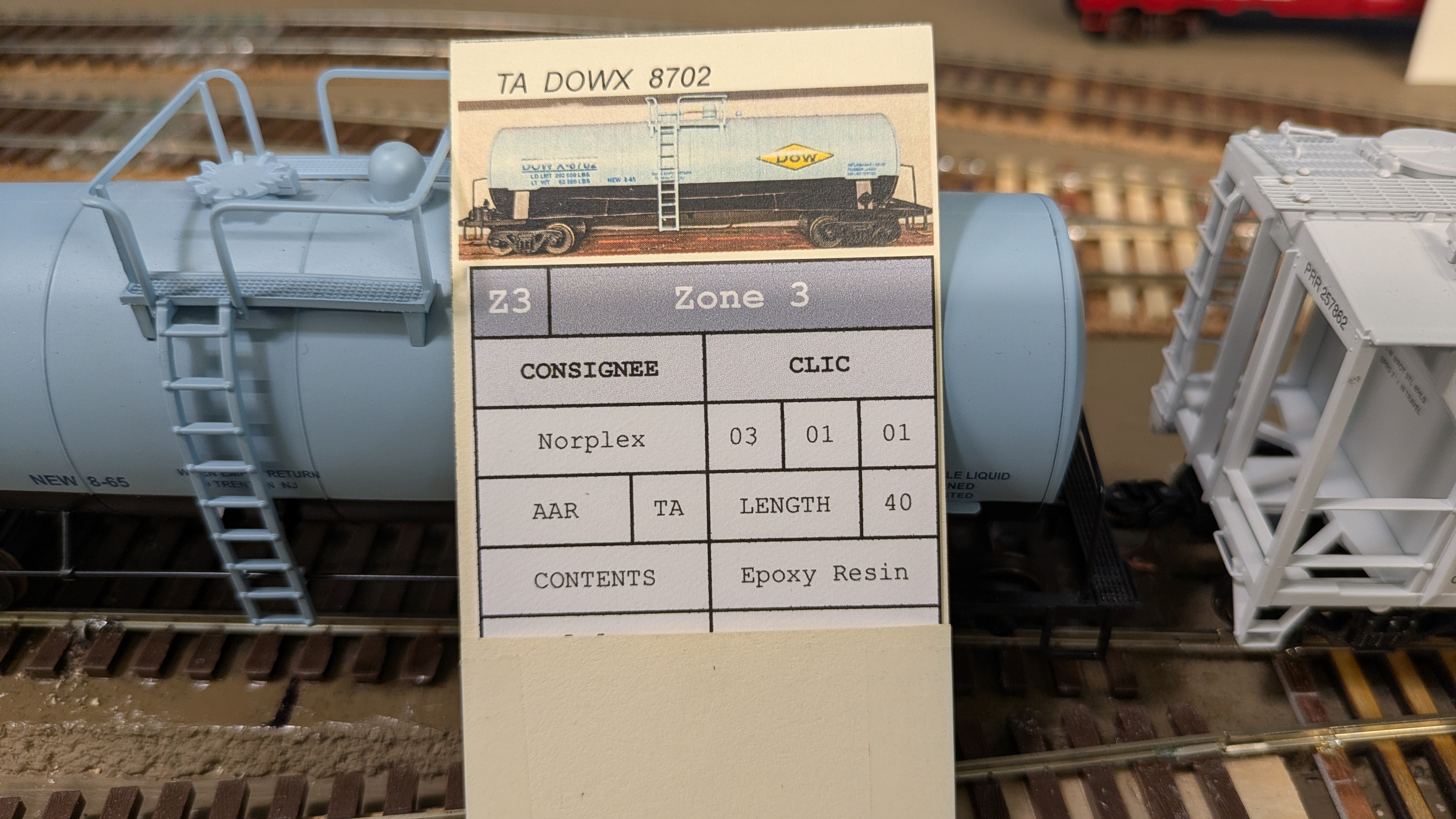
Printing Car Cards and Two‑Position Waybills for Zones 1–3
Car cards and two‑position waybills for 94 car spots across Zones 1–3, creating realistic freight cycles for smooth, prototype‑inspired operations.
An S Scale Modular Railroad based on the Driftless Region
Featured Post
May 3, 2026
Car cards and two‑position waybills for 94 car spots across Zones 1–3, creating realistic freight cycles for smooth, prototype‑inspired operations.
March 7, 2026
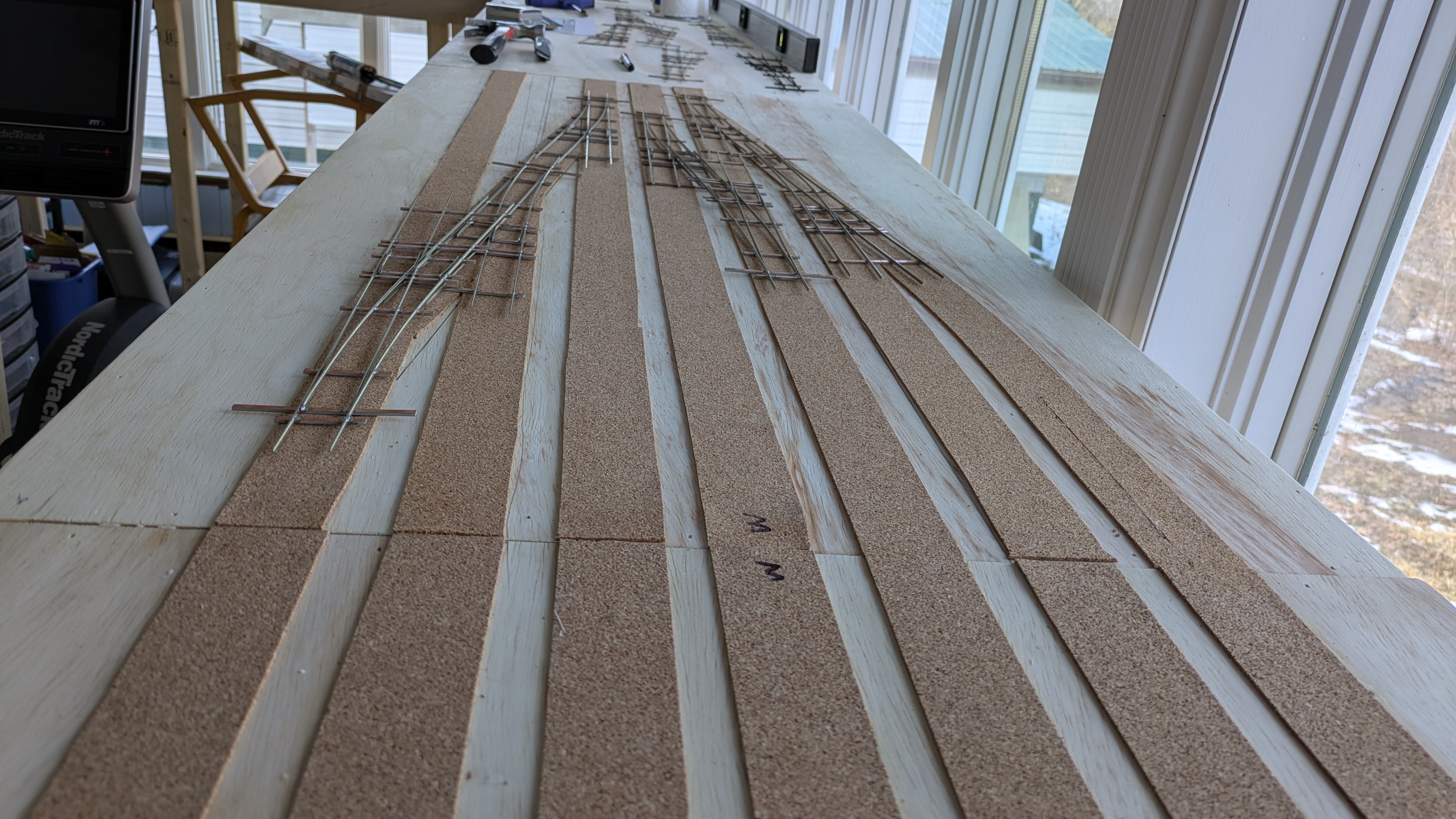
March 1st marked yet another major turning point for the Cedar River Valley: the day the C&NW Yard finally began taking physical shape. After weeks of leveling modules, installing wiring, and confirming alignment across all twelve sections, the focus shifted from carpentry to trackwork—the moment every modeler looks forward to. With the full yard footprint now accessible and stable, I began laying out all seven yard tracks, starting with the ladder and working outward. Seeing the geometry of the yard emerge on the plywood surface brought the project into a new phase, transforming the space from a collection of modules into the beginnings of a functioning railroad.
February 27, 2026
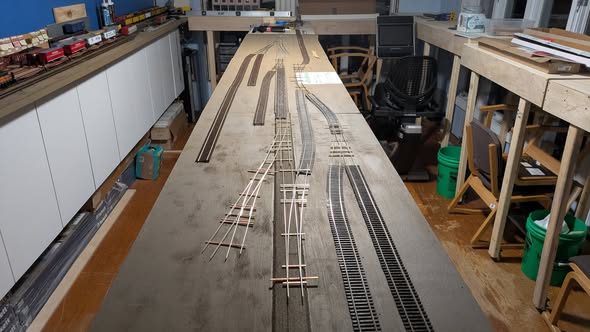
February 27th marked one of the most transformative days in the Cedar River Valley project so far. After months of planning, building, wiring, and steady progress, all twelve modules were finally stood up and locked into place. For the first time, the full footprint of the layout existed in three dimensions, not just on paper or in my imagination. Walking into the room and seeing the entire line of modules stretched out—each one square, level, and ready for the next phase—felt like crossing a threshold. The Cedar River Valley wasn’t just under construction anymore; it was beginning to look like a railroad.
February 1, 2026
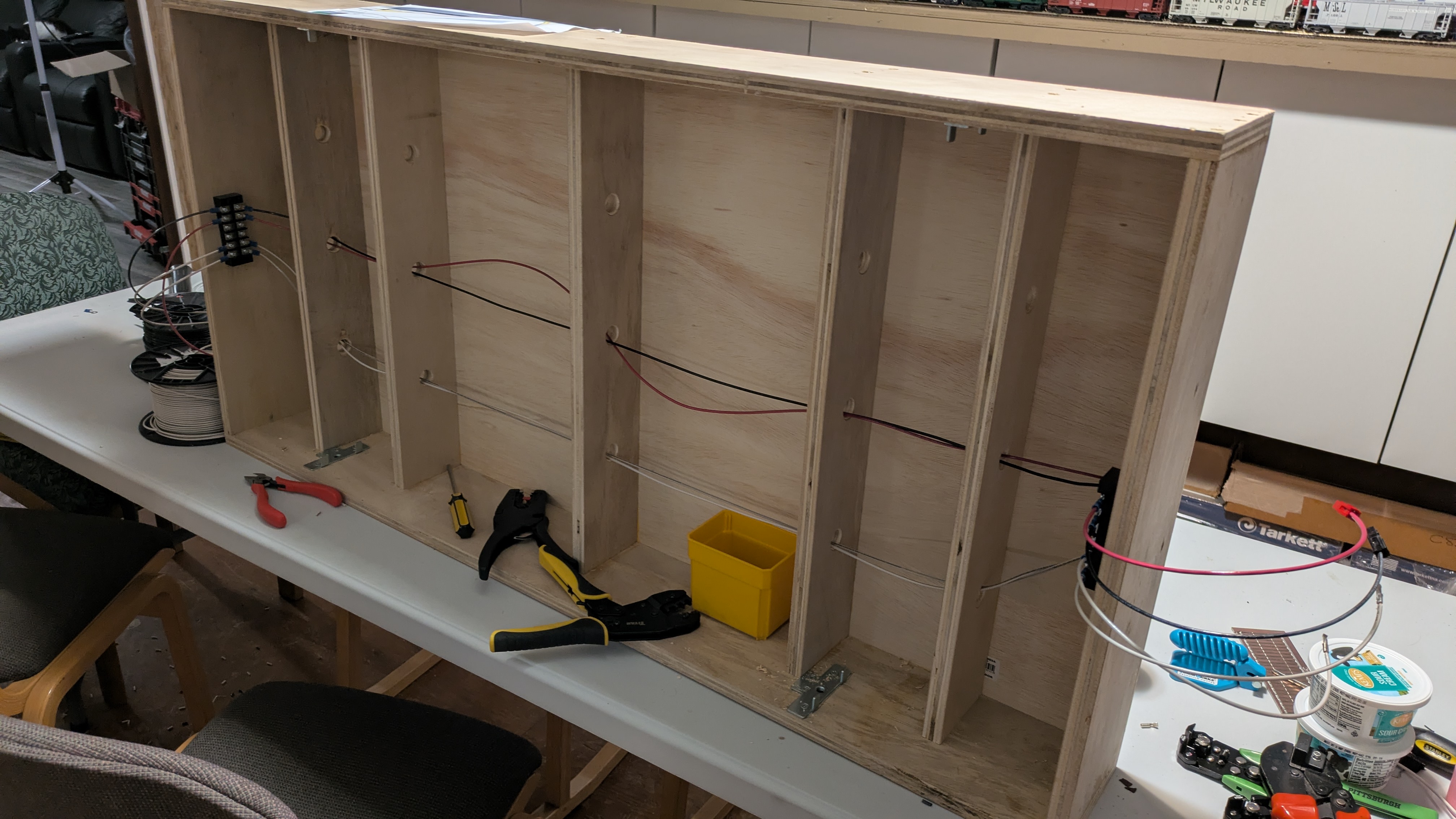
February 1st brought one of the most energetic and enjoyable work sessions the Cedar River Valley has seen so far. The layout room was filled with good company as Thomas Heilman, Ron Copher, and Al Lesky from the River Rail Group joined fellow S scale modeler Charles Sherman for a full afternoon of hands‑on progress. With five sets of experienced eyes and steady hands in the room, the pace of work jumped forward in a way that simply isn’t possible during solo sessions.